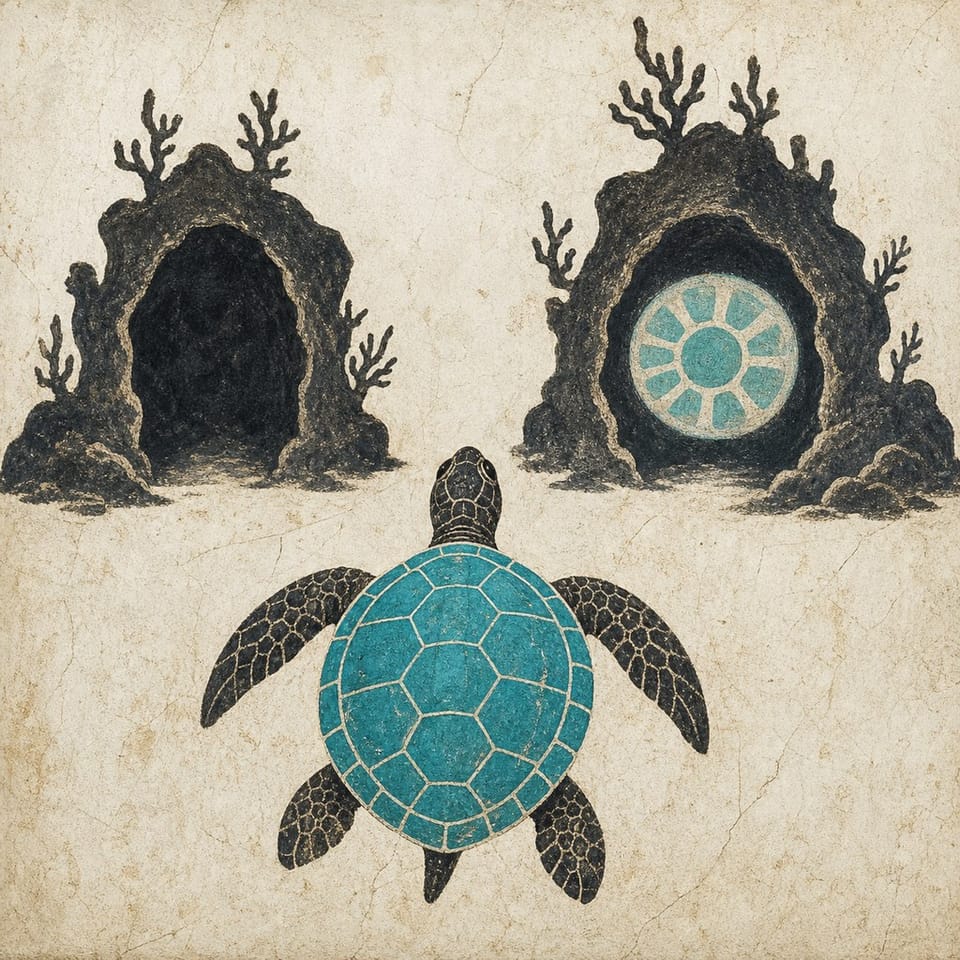
Write a choose-your-own-adventure ocean mystery with coding, clues, and kindness points using Elementari. Research animals and create interactive stories.
Rythme
5 classes · 225 min
Niveau
Niveau 5
Codage
Intermédiaire
Les élèves codentActions du lecteurÀ l’ouverture de la pageSéquenceVariable numérique
Ouvre un projet d’essai privé dans le Studio, sans compte.
Collect research notes, daily warm-ups, route-test results, and one peer-feedback revision.
Évaluation sommative
Assess the published seven-page Ocean Mystery with the analytic rubric.
Le parcours des découvertes
Un projet à créer, pas une série de fiches
Lire, écrire, créer, peaufiner, publier : les supports accompagnent chaque étape jusqu’au projet Elementari publié.
1
📖
Lire
Un texte court, sourcé et captivant ancre le sujet dans le réel et nourrit les idées du projet.
📖Ocean Clues: Habitats, Helpers, and Hazards
An ocean mystery begins with evidence. A habitat is the place where a living thing finds food, shelter, and the conditions it needs. Coral reefs, kelp forests, sandy shores, and open water are different habitats. If you know where an animal…
Dans le Studio, les élèves ajoutent les illustrations et suivent les consignes d’écriture et de codage. La Boussole les guide une consigne à la fois.
🧭Boussole du StudioConsigne 1 / 12
Choose Your Mystery 📋
Pick one ocean creature that’s missing and one that needs help. Use the Ocean Research Choice Board to research their habitat and problems. Complete your Ocean Mystery Writing Orga
Mots-clés — appuie pour en savoir plusIncrement Variable
Chaque étape se valide et ouvre automatiquement la suivante
Les 12 étapes du Studio, adaptées au projet
1Choose Your Mystery 📋
2Create Your Title Page (Page 1) 🖼️
3Write the Mystery (Page 2) 🌊
4Write a Real Choice (Page 3) 🐠
5Code a Real Choice (Page 3) 🐠
6The Kind Outcome (Page 4) 🌟
7The Unkind Outcome (Page 5)❌
8Create a Fake Choice (Page 6) 🌀
9Add a Hidden Clue (Page 6) 🔎
10Code the Navigation (Page 6) 🧭
11Write the Rescue & Ending 💬
12Final Touches & Extensions 🎨
4
🔁
Peaufiner
tout au long du projet
Les retours de l’enseignant et des camarades sont épinglés sur le projet pour guider les révisions.
Retour sur le projet2 annotations
🍎
Ajoute encore une phrase ici pour que les lecteurs comprennent toute la situation.
👍 2Enseignant
A
L’interaction est claire et guide bien le lecteur !
Quelques éléments à réunir et quelques réglages à effectuer avant de lancer la leçon.
Matériel nécessaire
Un appareil par élève ou par binôme
Une connexion Internet
Préparation · environ 10 min
1Imprimer les dossiers élèves
2Attribuer cette leçon aux élèves
3Parcourir les consignes de création
Repères pour l’enseignant
Ce qu’il faut savoir
Writers make a mystery believable by turning accurate habitat, behavior, and threat facts into observable clues. They make it meaningful by coding choices with visible consequences, recording the kind action in a variable, and resolving the clues fairly at the end.
Termes clés
habitat
The place where a living thing finds food, shelter, and the conditions it needs.
evidence
Facts or observations that help explain what happened.
adaptation
A body part or behavior that helps a living thing survive.
marine debris
Human-made trash that enters the ocean or coast.
current
Water moving steadily in one direction.
coral bleaching
A stress response in which coral loses the algae that give it much of its color and food.
Idées fausses à anticiper
✕
Students copy interesting animal facts but do not turn them into visible clues or consequences. →Use the two-column oral frame: 'The fact says… so the player could notice…'.
✕
The real and fake choices are confused: both Page 3 buttons rejoin immediately, or Page 6 buttons accidentally branch. →Have students draw and trace the route map with a finger before opening code: 3 branches, 4/5 merge at 6, 6 rejoins at 7.
Alignement sur les référentiels
Alignée sur les référentiels que vous enseignez
Chaque consigne renvoie à une compétence précise : préparation et suivi simplifiés.
Référentiels suivis (7) : Common Core ELA, Common Core Math, NGSS +4
Compétences du XXIe siècleEsprit critiqueCommunicationCréativitéCodage
CCSS · ELA5CSTA5ISTE11AASL3NGSS15 référentiels · 25 compétences · DOK 2–3
CCSS · ELA
Common Core State Standards — English Language Arts
5 compétences
CCSS.ELA-LITERACY.W.5.3
Write narratives to develop real or imagined experiences or events using effective technique, relevant descriptive details, and clear event sequences.
CCSS.ELA-LITERACY.W.5.5
With guidance and support from peers and adults, develop and strengthen writing as needed by planning, revising, editing, rewriting, or trying a new approach.
CCSS.ELA-LITERACY.W.5.7
Conduct short research projects to answer a question, drawing on several sources and generating additional related questions when appropriate.
CCSS.ELA-LITERACY.W.5.8
Recall relevant information from experiences or gather relevant information from print and digital sources; summarize or paraphrase information in notes and finished work, and provide a list of sources.
Compétences également abordéesCCSS.ELA-LITERACY.W.5.6
CSTA
CSTA K–12 Computer Science Standards
5 compétences
1B-AP-09
Create programs that use variables to store and modify data.
1B-AP-15
Test and debug a program or algorithm to ensure it runs as intended.
Compétences également abordées1B-AP-13 · 1B-AP-11 · 1B-AP-17
ISTE
ISTE Standards for Students
11 compétences
ISTE 1.4.a
Students know and use a deliberate design process for generating ideas, testing theories, creating innovative artifacts, or solving authentic problems.
ISTE 1.4.c
Students develop, test, and refine prototypes as part of a cyclical design process.
ISTE 1.6.d
Students publish or present content that customizes the message and medium for their intended audiences.
ISTE 1.5.d
Students understand how automation works and use algorithmic thinking to develop a sequence of steps to create and test automated solutions.
Compétences également abordéesISTE 1.3.a · ISTE 1.3.b · ISTE 1.1.c · ISTE 1.6.b · ISTE 1.6.c · ISTE 1.5.c · ISTE 1.3.d
AASL
AASL National School Library Standards
3 compétences
AASL I.A.1
Learners display curiosity and initiative by formulating questions about a personal interest or a curricular topic.
Compétences également abordéesAASL I.B.1 · AASL I.B.3
NGSS
Next Generation Science Standards
1 compétence
NGSS 5-ESS3-1
Obtain and combine information about ways individual communities use science ideas to protect Earth’s resources and environment.
Le corrigé détaille la correspondance de chaque consigne, niveau DOK compris.
Différenciation et accessibilité
Pensé pour tous les profils d’élèves
Une leçon, trois parcours intégrés. L’accessibilité est prévue dès la conception.
Accompagnement renforcé
Élèves qui débutent en lecture et en écriture
Lecture à voix haute et aide multilingue dans le projet Elementari
La Boussole du Studio affiche une consigne à la fois, codage compris
Modèles de phrases et banque de mots pour ne jamais partir d’une page blanche
Au niveau attendu
La leçon principale
Le texte de lecture et le storyboard, sans adaptation
Réponses modèles et points d’attention dans le corrigé
Des repères d’autoévaluation à chaque étape
Pour aller plus loin
Pour aller plus loin
Vocabulaire enrichi et question de prolongement ancrée dans le réel
Approfondir une page ou une interaction, sans modifier les mécanismes demandés
Consigne de réflexion plus développée, appuyée sur le texte
Accessibilité intégréeDes étapes claires et prévisiblesUne consigne à la fois · Boussole du StudioDes zones de réponse bien visiblesUn support imprimable épuréUn rythme adapté aux besoins de mouvementDes supports conçus pour que chaque élève puisse concevoir, écrire et coder, notamment en cas de TDAH, d’autisme ou de dyslexie.
Questions
FAQ des enseignants
Mes élèves ou moi, devons-nous savoir coder ?
Non. Les notions de codage sont introduites en langage simple, au moment où l’élève en a besoin, et la Boussole du Studio valide chaque étape pour que les élèves avancent sans que vous ayez à dépanner. Le guide pédagogique vous accompagne dans toute la création, corrigé compris.
Combien de temps dure cette leçon ?
Environ 225, répartie en séances de 45 minutes. Vous pouvez l’étaler ou la condenser : les élèves reprennent où ils s’étaient arrêtés, rien n’oblige à tout terminer d’un coup.
Sur quels appareils cette leçon fonctionne-t-elle ?
Les élèves peuvent lire, écrire, coder et publier sur Chromebook, iPad, tablette, ordinateur portable ou ordinateur de bureau. Un navigateur récent suffit : ni téléchargement ni installation.
Qu’est-ce que la Boussole du Studio ?
La Boussole du Studio est le guide pas à pas intégré au Studio. Elle indique aux élèves quoi faire ensuite, désigne les blocs de code exacts dont ils ont besoin et valide les étapes terminées pour qu’ils avancent en autonomie.
Comment cette leçon s’adapte-t-elle aux différents profils d’élèves ?
Cette leçon propose la lecture à voix haute avec surlignage synchronisé, un glossaire intégré et un storyboard illustré, avec des aides à l’écriture et au codage que vous pouvez renforcer ou alléger. Les élèves travaillent avec un accompagnement guidé ou plus librement — et réalisent le même projet.
À votre rythme
Attribuez cette leçon à votre classe
Importez les élèves, attribuez la leçon en un clic et lancez la création. Le dossier pédagogique est inclus.