Des leçons à attribuer. Des projets que les élèves réalisent.
Chaque sujet devient une histoire ou un jeu interactif, avec dossier pédagogique complet et compétences associées.
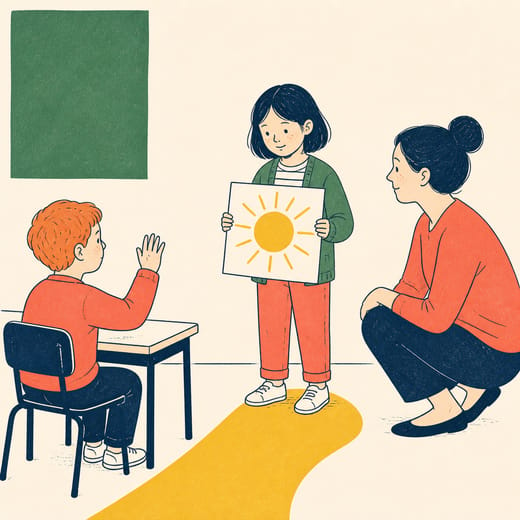 Niveau 1français
L’accueil d’un nouvel élève
Les formules « Bonjour », « Je m’appelle… » et « Voici… » aident à saluer, se présenter et montrer un objet dans une scène de classe.
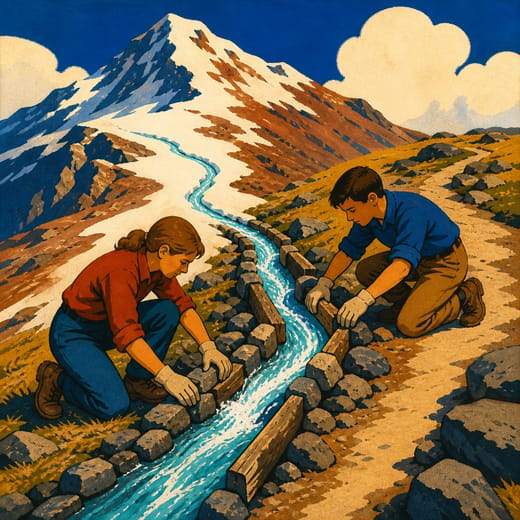 Niveau 6français
Comment la neige devient-elle un ruisseau au mont Rainier ?
Les élèves apprennent à relier l’énergie solaire, la fonte et le ruissellement, puis écrivent un récit à la première personne où un ruisseau suit sa descente et modèle le paysage.
 Niveau 5anglais
A Farmer’s Monsoon Planting Choice
A smallholder farmer weighs how monsoon rains help and harm crops in a third-person scene that ends with a planting decision and seedling survival.
 Niveau 2anglais
Courage Before School: Ruby Bridges and Segregation
Ruby Bridges’ brave walk to school introduces children to segregation and the struggle for equal education as they create a scene showing how she prepares for a difficult morning.
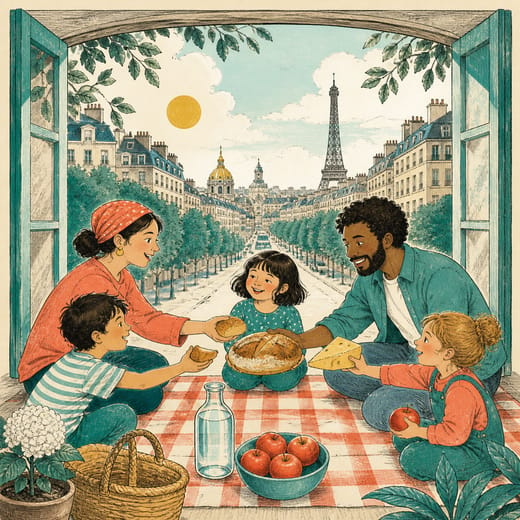 Niveau 3français
Le pique-nique géant de Paris
Le message de l’organisateur, écrit par les élèves, montre comment partager les paniers rend le pique-nique plus juste et plus joyeux.
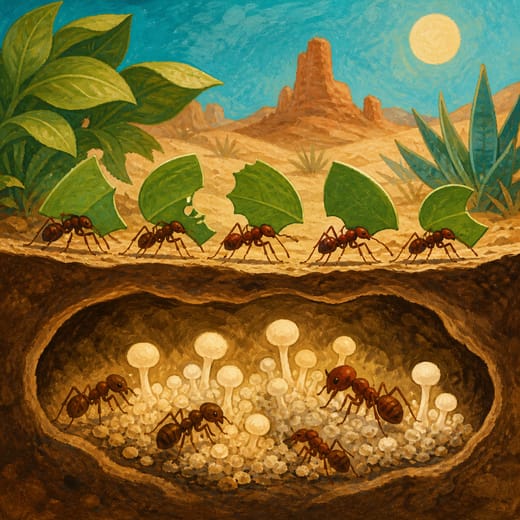 Niveau Kanglais
Ati the Leafcutter Ant’s Shared Jobs
When the colony needs leaves moved fast, students explain how leafcutter ants share jobs, then create an illustrated colony story showing Ati’s role.
 Niveau 8français
Heynlin et la première feuille imprimée
Le contraste entre l’atelier en cours et le résultat final aide à réviser le passé composé : les élèves écrivent une courte narration illustrée avec aller, faire et être.
 Niveau Kfrançais
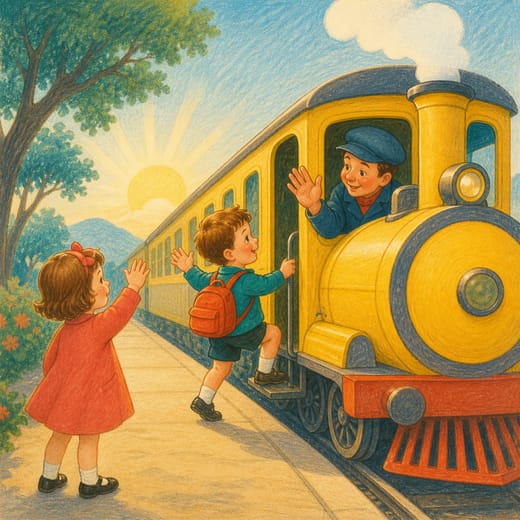
Bonjour et au revoir dans le train imaginaire
Dans le va-et-vient d’un train imaginaire, les élèves s’exercent à saluer et à prendre congé en français, puis créent une scène chantée.
 Niveau 2anglais
One Simile for Courage
At the starting line, Sam uses one simile to show fear turning into courage in a short race scene.
 Niveau 5anglais
One Word Changes Maya's Choice
As Maya faces torn homework and a stray dog, students use resilient, scarce, and contrast to write a third-person scene where one word changes her next move.
 Niveau 5anglais
Which Closing Makes the Stronger Campaign Case?
Students practice choosing resilient, scarce, and contrast in context as they write two campaign closings and compare which version persuades classmates more.
 Niveau 8anglais
A Rehearsal Choice: Vocabulary in Context
Between a risky line and a tight rehearsal constraint, readers notice how ambivalent, catalyst, constraint, and reconcile work in context as Jordan writes a first-person scene.